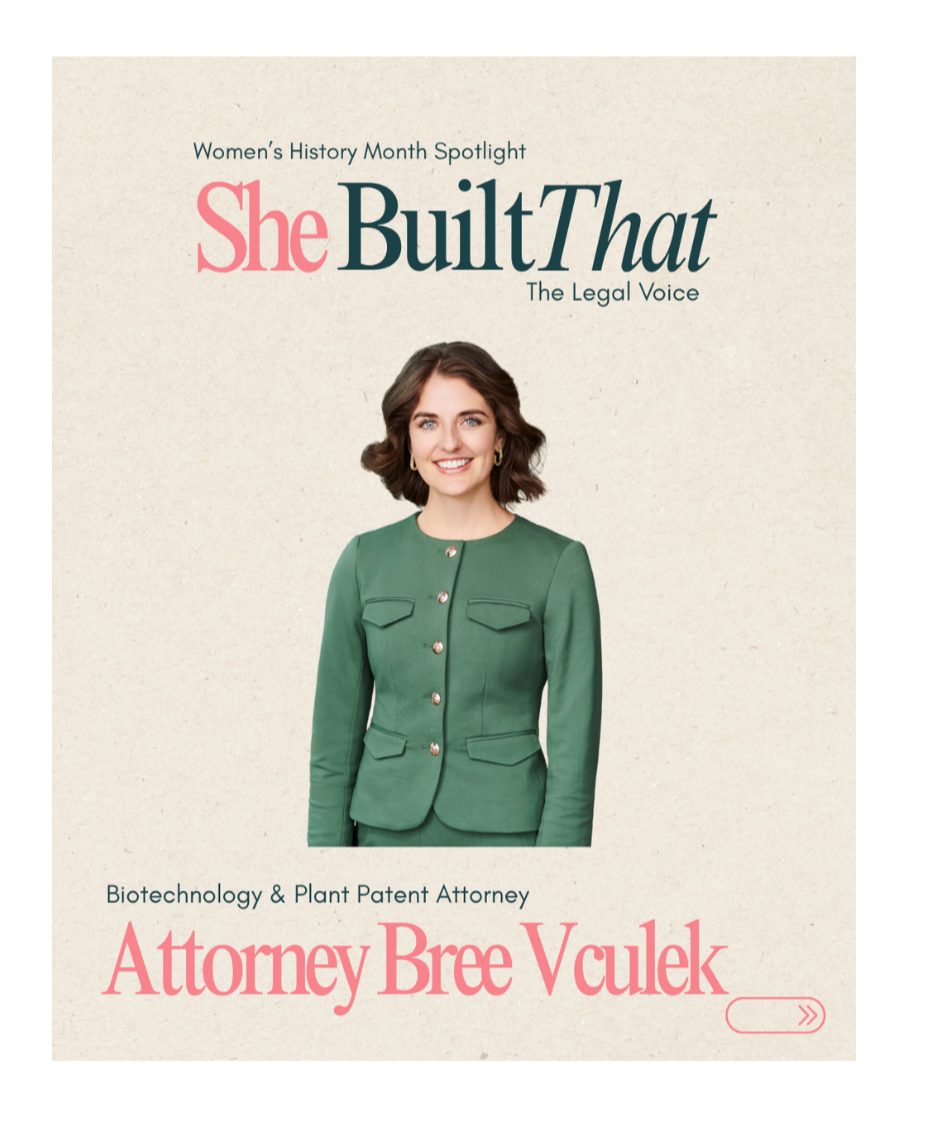
she built that: bree vculek
In celebration of Women’s History Month, LegallyBlack is proud to highlight women who are shaping industries through innovation, expertise, and impact. This feature spotlights Bree Vculek, a biotechnology patent attorney whose work sits at the intersection of science, law, and real-world application, helping bring agricultural and plant-based innovations to life.
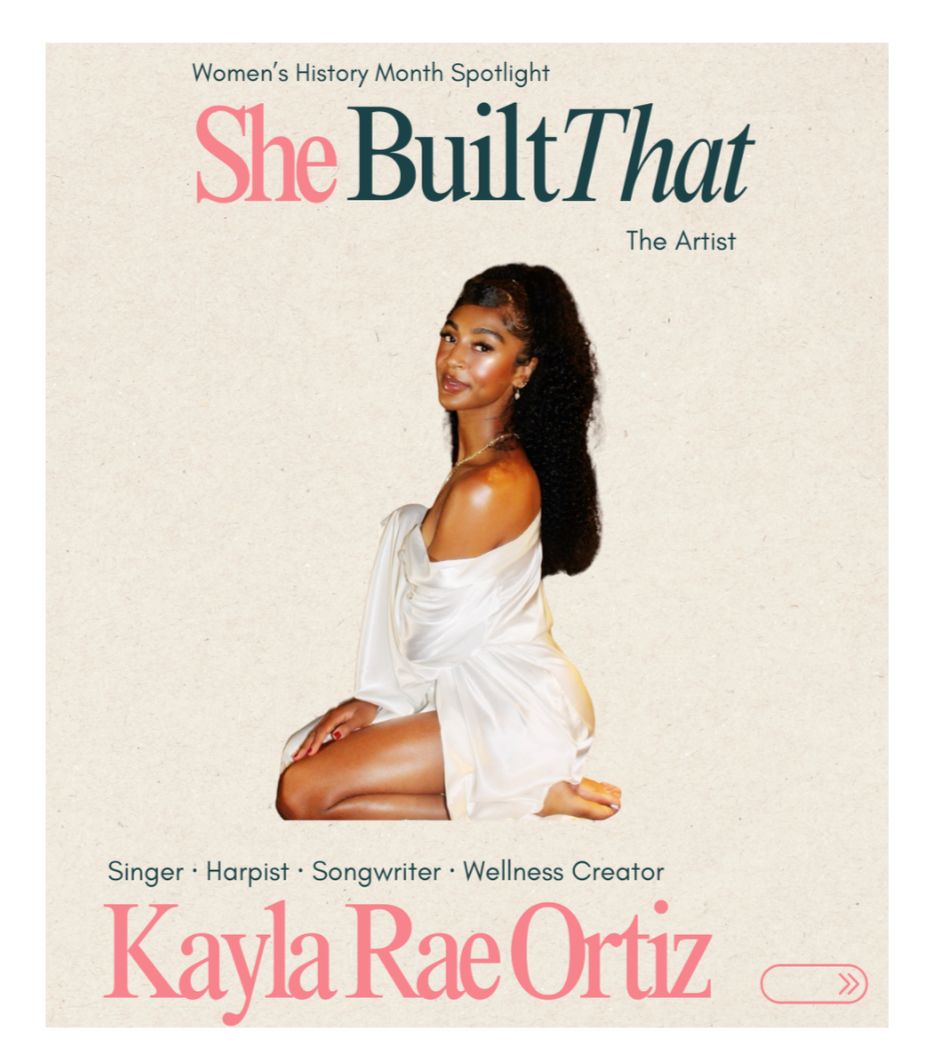
She Built That: Kayla rae ortiz
In celebration of Women’s History Month, LegallyBlack is proud to spotlight women who are shaping culture through their creativity while redefining ownership, empowerment, and innovation in their fields. Our first feature highlights Kayla Ortiz, a multidisciplinary artist whose work brings together music, healing, and intentional storytelling.
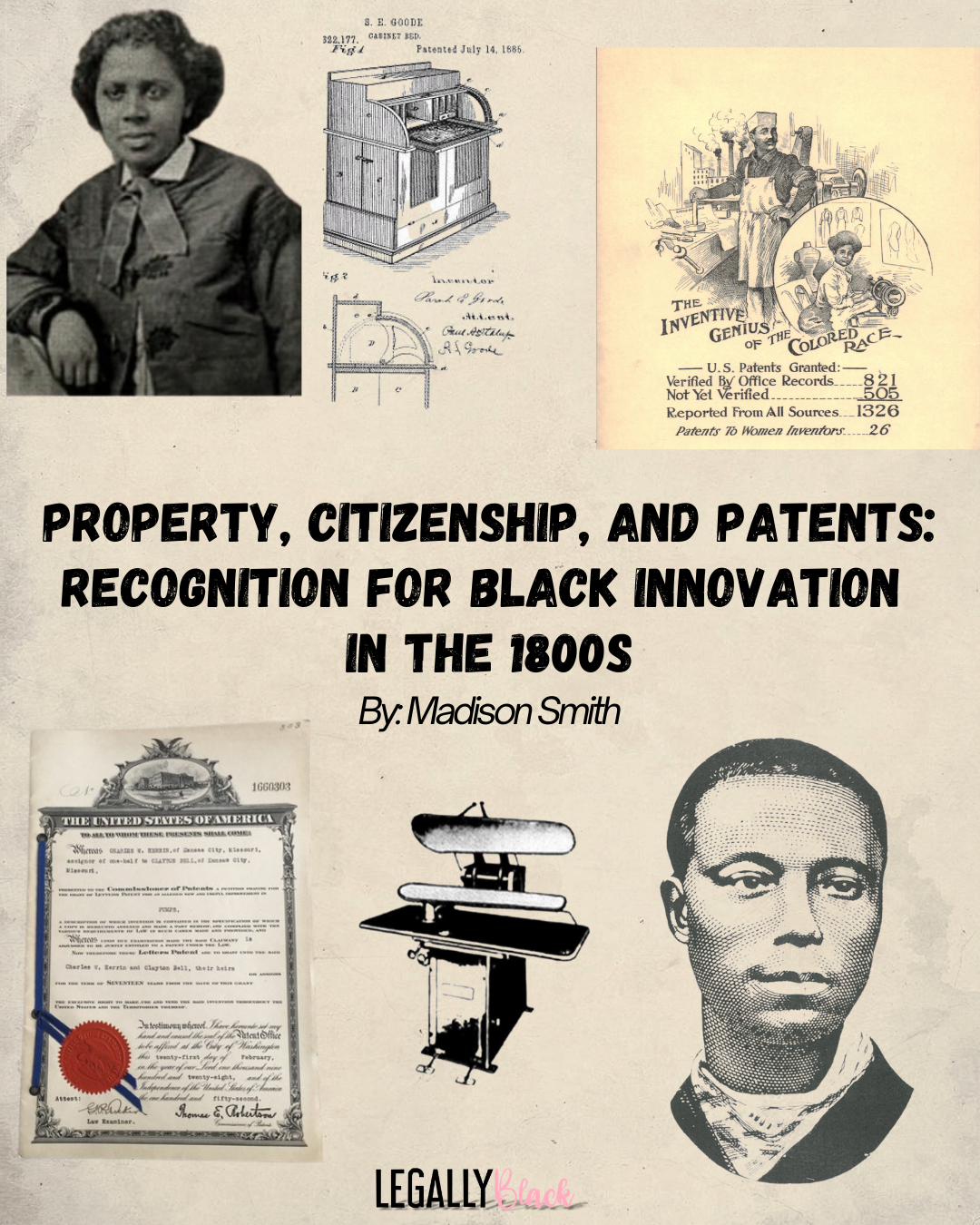
Property, Citizenship, and Patents: Recognition for Black Innovation in the 1800s
In America, the 1800s are often characterized as a period of progress and expansion. As a newly independent nation, the United States faced a series of military conflicts and rapid economic growth that created a wartime demand for technological advancement, bringing about the Industrial Revolution. Notable inventors such as Thomas Edison and Alexander Graham Bell made groundbreaking discoveries and became celebrated as the faces of innovation. However, while society pushed them to the forefront, they sidelined the genius of Black inventors that were making their own revolutionary discoveries. Legal barriers made it difficult for Black inventors to secure patents and protect their ideas. Nevertheless, some fought to defy these barriers, and their inventions made history.
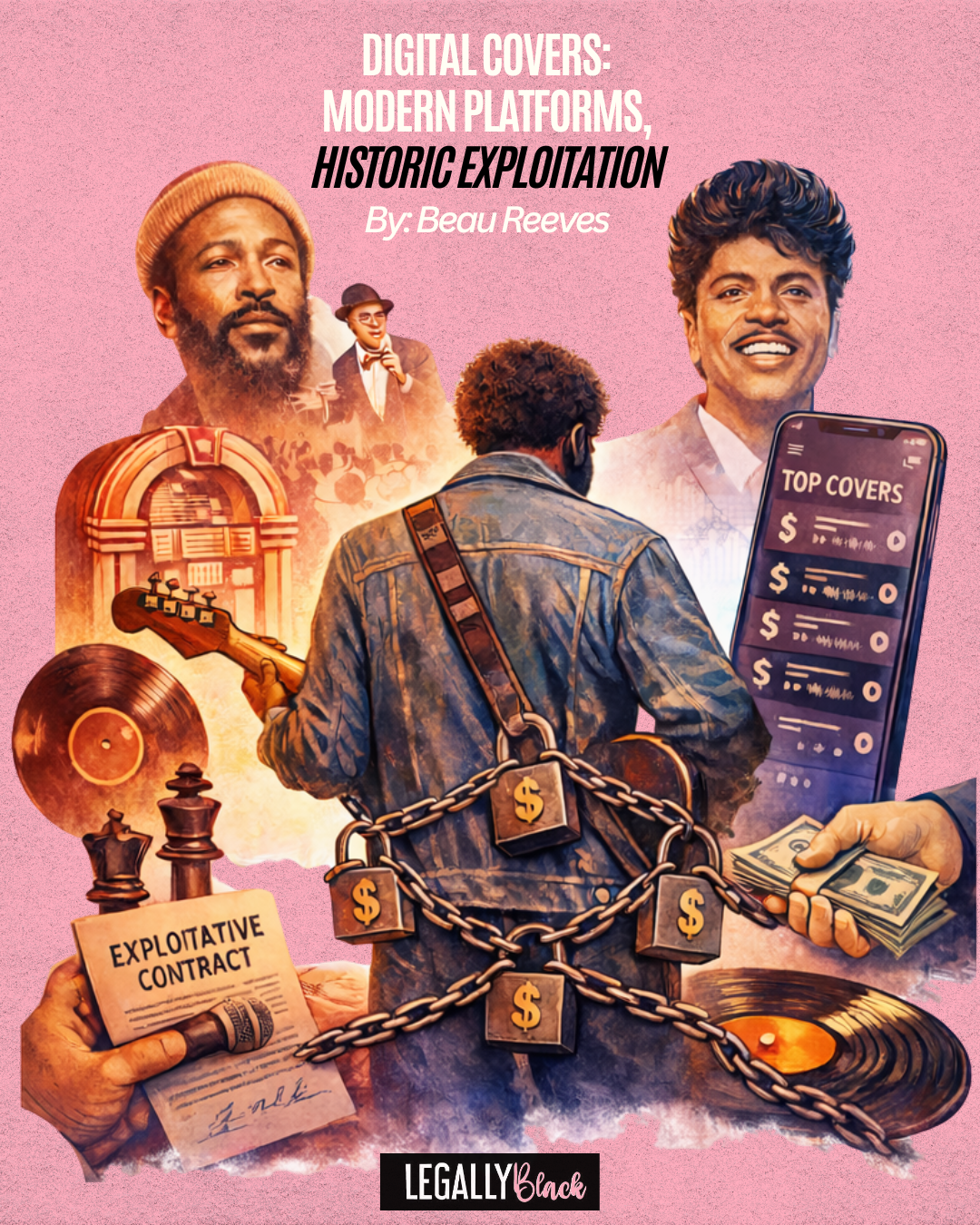
Digital Covers: Modern Platforms, Historic Exploitation
Long before playlists and algorithms shaped musical success, Black artists operated within an industry built to extract creativity while limiting ownership. Blues, funk, soul, and early rock innovators created the foundation of American popular music, yet routinely saw their work rebranded, repackaged, and monetized by others. From blues to modern hip-hop, Black musicians have contributed profoundly to American culture, yet copyright law, combined with exploitative contracts and statutory limitations, often ensured that they benefited least from their own innovation. Today’s streaming economy raises a familiar question: has the system changed, or have the inequities simply evolved?
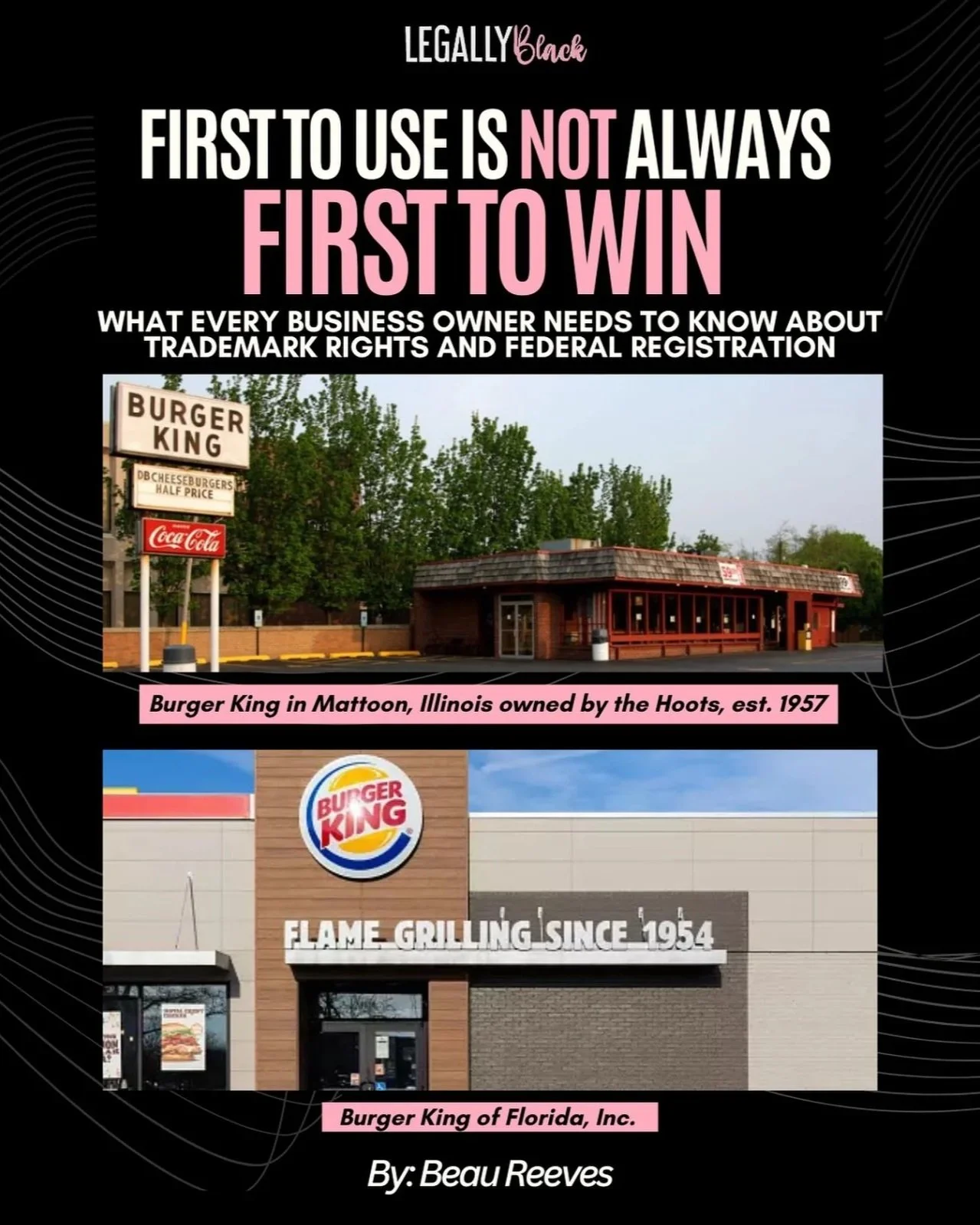
First to Use Is Not Always First to Win: What Trademark Law Teaches Us
Your brand is one of the most important parts of your business. The name you choose, the logo you design, and the reputation you build all shape how customers see you. Many business owners assume that trademark rights only begin once paperwork is filed with the government. However, trademark rights can arise long before any registration takes place. Understanding how these rights work can help protect your business from costly problems later.

Amazon’s Brand Registry and the Fight Against Counterfeits
Most people know Amazon as the place to buy almost anything, but fewer realize it has reshaped trademark law in practice through its Brand Registry. The Brand Registry was built to fight counterfeits, yet it has also created new challenges for businesses and the U.S. trademark system.
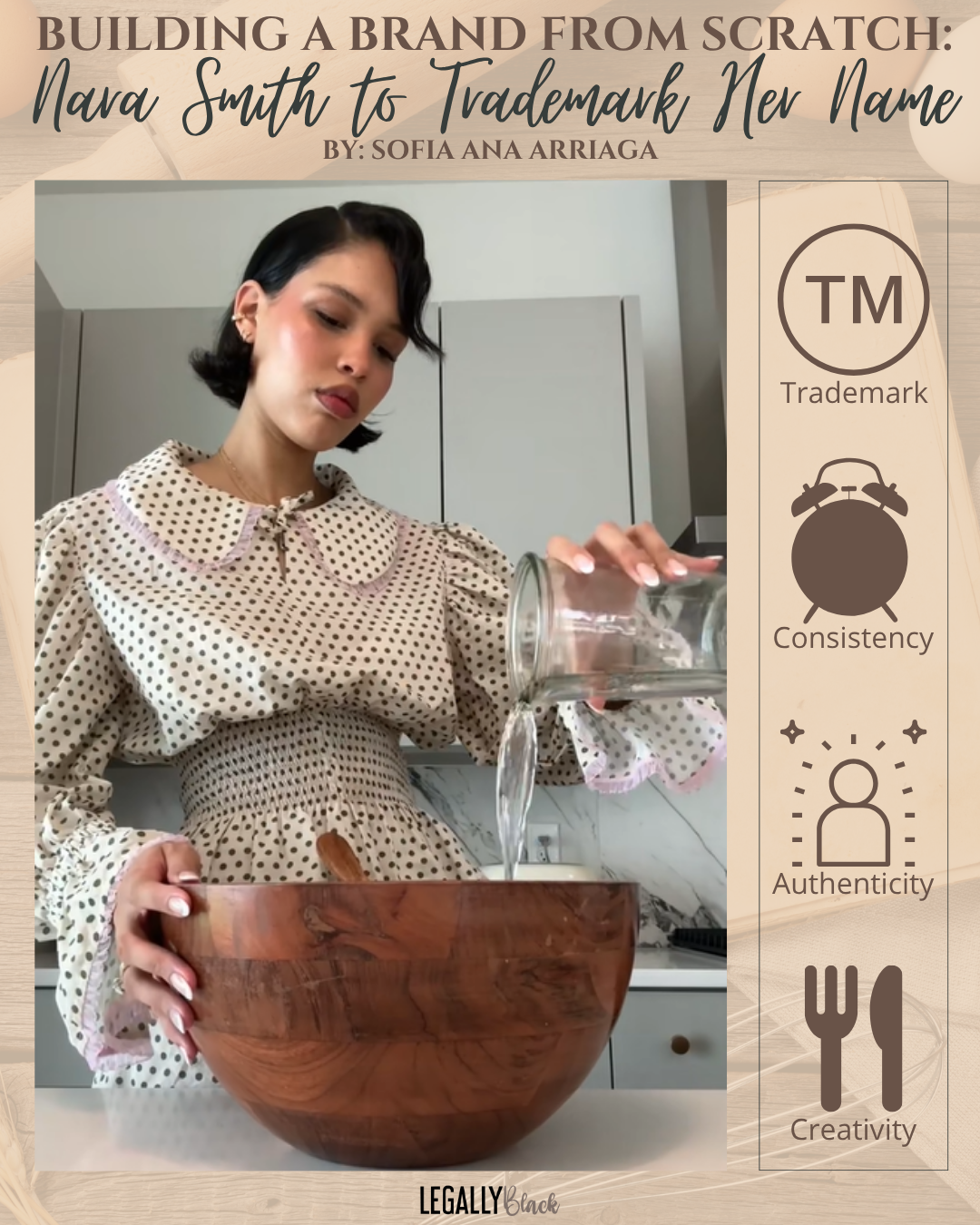
Building a Brand From Scratch: Nara Smith Applies to Trademark Her Name
TikTok feeds are flooded with influencers sharing mouthwatering recipes, often speaking in soothing tones and urging followers, “Run, don’t walk” to buy a product. But in a saturated space, 23-year-old Nara Smith has carved out a distinct identity. The influencer has amassed a monumental 9 million followers on TikTok, branding herself with her signature style: cooking elaborate meals in designer gowns and making nearly everything “From Scratch.” On May 28, 2025, a trademark application was filed for her name.
But what does this trademark protect, and why is she seeking registration?
Fair Use and AI: What Bartz v. Anthropic Means For Copyright Law & Large Language Models
In a groundbreaking decision issued on June 23, 2025, the U.S. District Court for the Northern District of California ruled in Bartz v. Anthropic PBC that using copyrighted works to train large language models (LLMs) qualifies as fair use under U.S. copyright law. The ruling marks a major legal development as courts and lawmakers continue to grapple with how copyright law applies to artificial intelligence.

Studio Ghibli Meets AI: Where Art Ends and Infringement Begins
In March 2025, OpenAI released a new feature in ChatGPT that allows users to turn photos into hand-drawn artwork inspired by Studio Ghibli—the famous Japanese animation studio behind beloved films like Spirited Away, My Neighbor Totoro, and Howl’s Moving Castle. The feature went viral almost instantly. People everywhere started using it to create Ghibli-style versions of themselves, pets, and favorite places. Even OpenAI’s CEO, Sam Altman, created a version of himself using the tool.


Understanding Copyright and the Public Domain: Lessons from The Wizard of Oz
Copyright law, established by the United States Constitution, grants creators exclusive rights over their works for a limited period. This legal protection allows authors, musicians, artists, and others to control how their work is used, distributed, and monetized. Copyright starts as soon as a work is created and fixed in a tangible form, such as a manuscript, painting, recording, or photograph. However, copyright protection is not indefinite. Once it expires, the work enters the public domain, where it becomes freely accessible for anyone to use without permission from the original creator.

Legal dispute “this is america”: Donald Glover Accused of Copyright Infringement
In May 2021, Donald Glover, widely known by his stage name Childish Gambino, faced a legal challenge when he was sued for copyright infringement over his 2018 hit single, "This is America." The lawsuit was brought by Emelike Nwosuocha, a Florida-based rapper who performs under the name Kidd Wes.

Nike Takes Legal Action Against New Balance and Skechers Over Flyknit Technology
On November 6, 2023, Nike filed two complaints against New Balance and Skechers, concerning its patented Flyknit Technology.
By Beau Reeves